Why I’m Focusing on Injury Prevention
When e-bike and e-moto crashes continue to rise despite increased enforcement and more rules-of-the-road training, we have to be willing to ask a difficult question: What are we still missing?
I believe the answer lies in coordinated injury prevention.
Enforcement matters. Traffic laws matter. Rider education matters. But when those familiar strategies fail to produce the results communities need, repeating them more loudly or more often isn’t a complete safety plan. We must also address the forces that shape what young riders do after the lesson is over and when no officer is present: parents’ purchasing decisions, peer approval, online influence, status, belonging, access to appropriate places to ride and the very human tendency to know a rule without prioritizing it in the moment.
Those are the missing ingredients my work is designed to deliver.
From Reacting to Crashes to Preventing Them
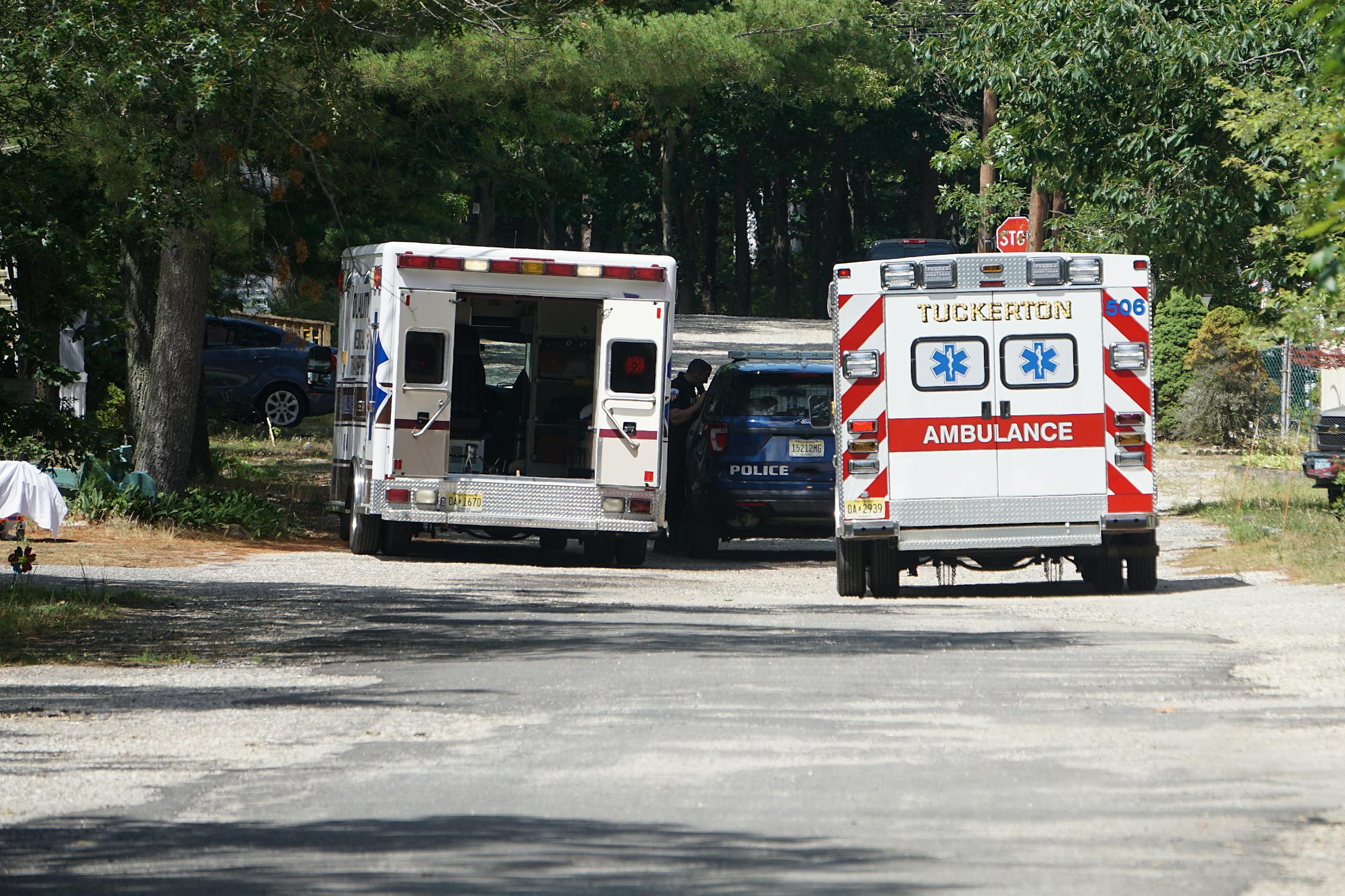
Too many communities are forced into a reactive cycle. A serious crash occurs. Residents demand action. Leaders strengthen an ordinance, schedule another safety presentation or announce an enforcement campaign. Attention eventually fades—until the next devastating incident.
Injury prevention asks us to interrupt that cycle before another child, pedestrian, cyclist or family pays the price.
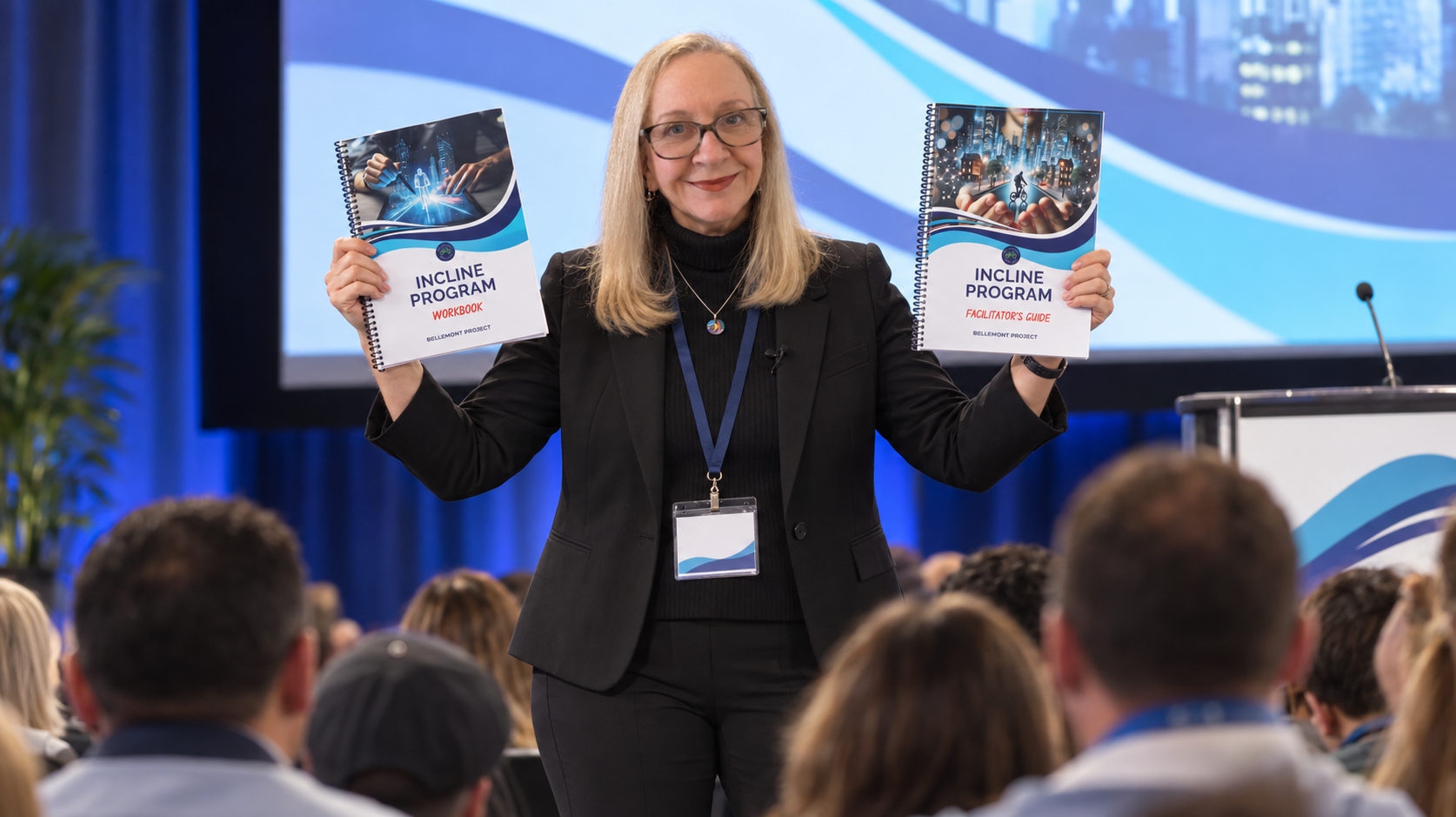
Through the Bellemont Project, I’ve been developing a comprehensive approach that treats e-bike and e-moto safety as a public health issue, not simply a matter of traffic compliance. My Six-Point Plan brings community leaders, parents, schools, healthcare professionals, law enforcement, retailers, advocates and young people into the same safety system. The Incline Program goes further than teaching rules by helping young riders examine the real influences on their conduct and practice better decisions.
This is behavior-management work. It’s consumer-awareness work. It’s parent-engagement work. It’s coalition-building work. It also includes informed enforcement, better infrastructure and legitimate opportunities for skill development, recreation and sport. Each part strengthens the others.
That comprehensive focus is why I increasingly identify my work within the field of injury prevention.
Why the American Trauma Society Matters to Me
I’m proud to be a member of the American Trauma Society. My relationship with the organization began when I was invited to speak at its national event. The national organization later recommended me to its Pennsylvania chapter, which also invited me to present. Those experiences introduced my work to professionals who see, every day, what happens when communities ignore recommended prevention strategies.
For more than half a century, the American Trauma Society has worked to strengthen trauma systems, advance injury-prevention efforts and support trauma survivors and their families. Its mission, Saving Lives. Improving Care. Empowering Survivors, reflects the full continuum of trauma work: preparing systems and professionals, preventing injuries whenever possible and helping people rebuild after a life-changing event.
That perspective is deeply relevant to e-bike and e-moto safety. A crash isn’t merely a statistic or a traffic violation. It can begin a long chain of emergency response, hospitalization, rehabilitation, disability, financial strain and grief that hurts an entire community. Trauma professionals understand that chain. They also understand the value of preventing it from beginning.
My involvement with the American Trauma Society reinforces the seriousness of this mission and connects my work to a larger community committed to reducing injury and improving outcomes.
Learning and Collaborating Through Safe States
More recently, I joined the Safe States Alliance, a national nonprofit organization and professional association dedicated to strengthening the practice of injury and violence prevention. Formed in 1993, Safe States supports the people and programs working to prevent injuries through professional development, collaboration, policy, data and evidence-informed public health practice.
I’m also participating in its regional network, the Western Pacific Injury Prevention Network, or WPIPN. The network connects injury and violence prevention professionals across western states, territories, public health agencies, research centers and partner organizations. It creates a place to share best practices, build capacity, exchange resources and develop partnerships across jurisdictional lines.
In that network, I’m meeting people who work every day to save lives. Their areas of focus may vary, but the central questions are familiar: Where are injuries occurring? Who is being affected? What does the evidence tell us? Which risk and protective factors can we change? How do we move from a well-intended activity to a strategy that produces measurable prevention?
I also plan on being active membership in Safe States’ national activities and focus. This gives me opportunities to learn from the broader injury-prevention field while contributing the specialized knowledge I’ve developed around e-bikes, out-of-class e-motos, youth behavior, parent decision-making and community safety systems.
The Missing Ingredients
The next generation of e-bike and e-moto safety solutions will require more than additional rules and reminders. Communities need approaches that:
These elements don’t replace education or enforcement. They help make both more effective by addressing the environment in which riding decisions are actually made and providing a coordinated, comprehensive, strategic plan that solves the challenges.
Taking the Work Seriously
I’m not pursuing injury prevention as a label. I’m pursuing it as a discipline and a responsibility.
It requires listening to trauma professionals, public health practitioners, researchers, families, first responders and young people. It requires examining results honestly, especially when a familiar strategy isn’t lowering crash numbers. It requires learning continuously, working across sectors and being willing to add the missing pieces.
That’s why my memberships in the American Trauma Society and Safe States matter to me. They place my e-bike and e-moto work within a wider professional movement whose purpose isn’t simply to respond well after someone is hurt, but to prevent the injury in the first place.
This is important work, and I take it quite seriously …
Because e-bike safety is no accident.
Are you signed up to receive our free quarterly newsletter?