The Two Faces of Misconduct
The Missing Piece in E-Bike Safety: It Could be Carelessness, Or it Could be Conduct
When we talk about youth e-bike safety, it is easy to treat all bad riding as the exact same problem. But to actually fix the issue, communities and parents must understand that young riders usually fall into two very different categories: unintentional risk-takers and intentional rule-breakers.
While these two groups look different on the surface, they share one critical flaw: Failing to prioritize safety. This single missing priority is driving the crisis on our streets.
The Unintentional Risk-Taker
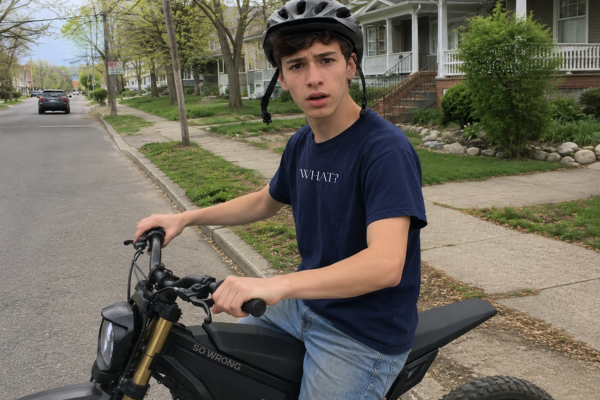
In The Caring Parent’s E-Bike Survival Guide, we call the first type the “Forgetful Rider.” This is the teen — like the one pictured above — who skips putting on a helmet for a quick ride home because it’s inconvenient, or allows a friend to hop on the back of a bike meant for one person.
When this kid makes a bad choice, they’re prioritizing convenience. They might recognize a slight risk, but they certainly do not intend to put their life on the line. They are underestimating the physics of the machine and the severity of the danger. They are not trying to be an outlaw; they just aren’t thinking it through. However, physics does not care about intentions, and their lack of focus often leads to severe crashes.
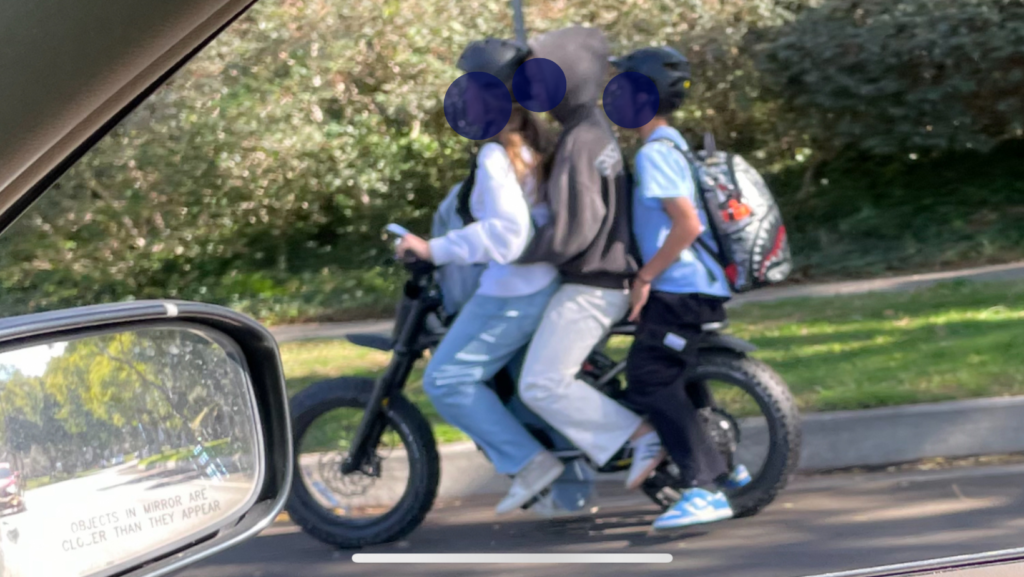
Three kids wobble home after exiting their middle school parking lot for the day. Only one should be riding.
The Intentional Rule-Breaker
On the other end of the spectrum is the “Anonymous Stuntman.” These riders are fueled by an anti-hero mindset. Driven by online influencers and peer pressure, they pull off dangerous tricks in traffic or participate in massive “street takeovers.”
For this group, the physical danger of the stunt is often secondary to their main goal: defying authority and disrupting traffic. They aren’t forgetting the rules; they are actively breaking them because the rule-breaking itself is what earns them status, social media likes, and respect from their peers.
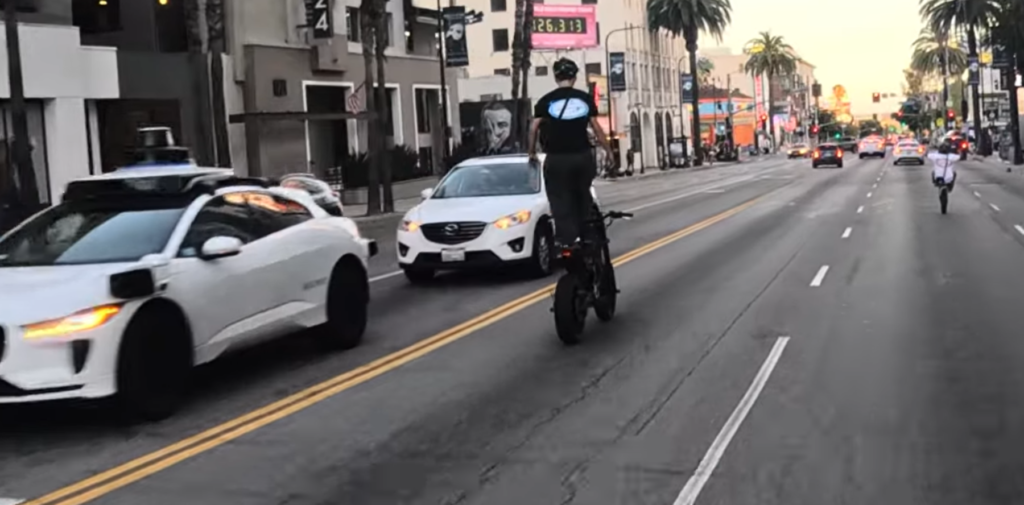
Image Credit: Starline, the company hosting the illegal rideout in Los Angeles.
The Deadly Crossover: When Carelessness Meets Power
Understanding that both groups fail to prioritize safety explains a terrifying trend: why a normally well-meaning kid ends up on a dangerously illegal machine.
Because the Forgetful Rider isn’t actively thinking about risk, they often don’t see the danger in hopping on an illegal, high-powered e-moto, or an e-bike that has been modified to go too fast. They might just be out for a normal ride, trying to follow the speed limit. But because they failed to prioritize the safety of the equipment itself, they are now on a machine that will not forgive the slightest mistake.
A heavy, fast e-moto demands absolute focus and skill. A simple, careless mistake on one of these vehicles can turn deadly in a split second. This is exactly what happened in Garden Grove a few months ago, when a 13-year-old boy tragically lost his life after losing control of his e-moto.
The Skatepark Model
Teens slide back and forth between these two identities constantly. A teen can be an unintentional risk-taker on a Tuesday commute to school, and then try to become an intentional rule-breaker with their friends on a Friday afternoon.
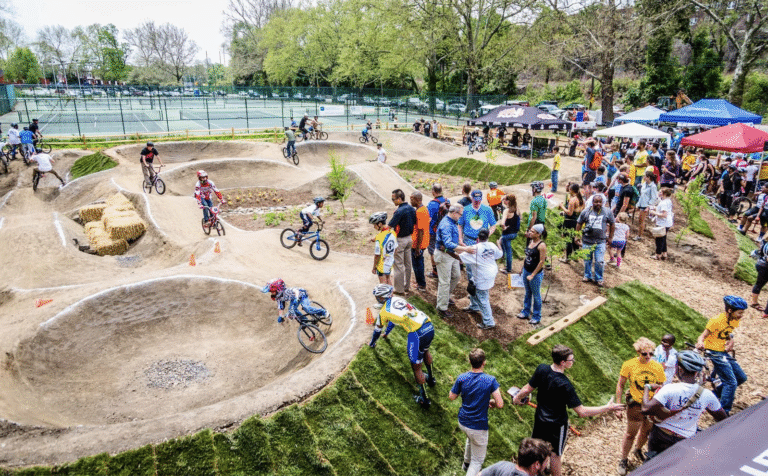
For the intentional misconduct of the Anonymous Stuntman, we can look to a proven solution: the “Skatepark Model.” Decades ago, cities didn’t just write tickets to skateboarders; they built skateparks. We need to do the same for e-bikes. Instead of just punishing them, we should redirect their energy into safe, organized environments. By treating high-performance e-biking as a real sport, we give these teens a place to show off their skills and earn the “star status” they crave without endangering the public.
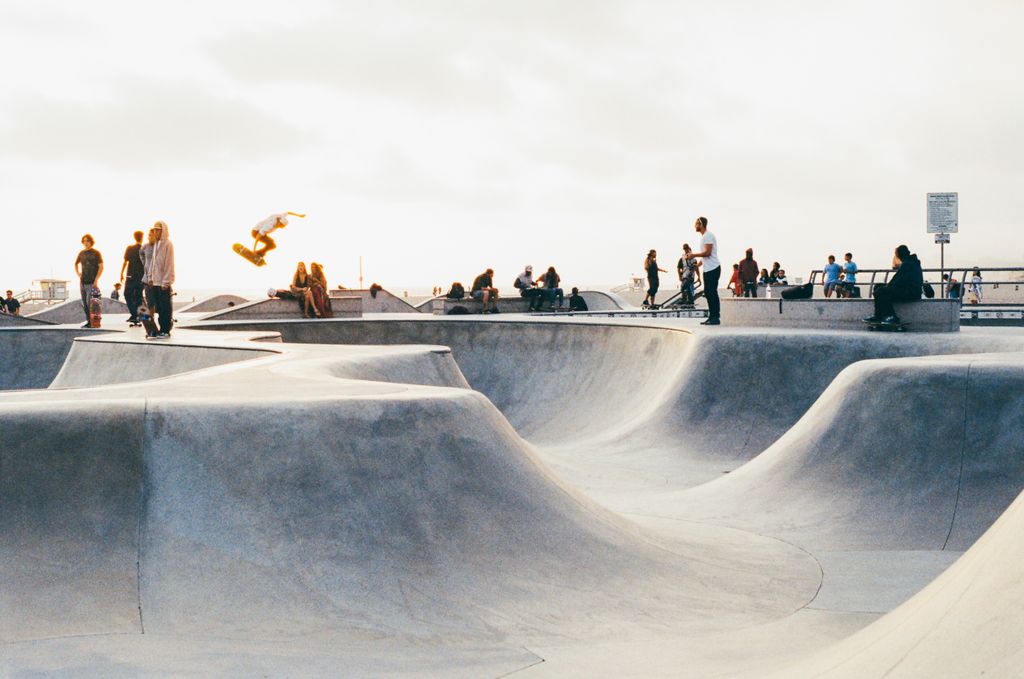
Skateparks provide a space for training, performing, enjoying challenges, and competing … away from traffic.
The Solution: A Professional Standard
For both types of misconduct, the answer is the same: we must promote professional-level riding and safety. We cannot just tell teens what not to do; we have to change how they see the road and their responsibilities on it.
This is exactly what the Bellemont Project’s interdisciplinary Incline Program is designed to do. Our curriculum goes beyond basic rules by broadening a young rider’s perception of risk. We help them clearly understand exactly who is harmed by their actions. By treating them with respect and demanding a professional level of conduct, we give all young riders a much higher standard to reach.