E-Bike Safety Demands a Blended-Family Approach
Behind the KTLA 5 Headlines
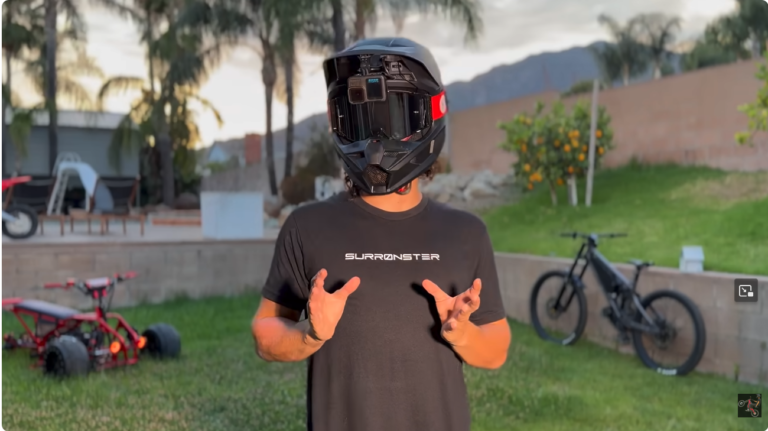
The heart-wrenching loss of a 13-year-old boy in Garden Grove recently brought the urgent reality of the e-bike/e-moto crisis back to Southern California television screens. When KTLA News 5 interviewed me about this tragedy, the underlying question was clear: How did we get here, and how do we stop it?
The answer can’t come from a single reckless decision or a lone dangerous street. Instead, it’s hidden in the invisible, confusing lines that slice up our communities.
When a young rider starts their journey in one city, they might be legally allowed on the sidewalk under clear local rules. But two miles later, they cross an invisible boundary into a neighboring jurisdiction. Suddenly, the sidewalk is off-limits, the classification of their e-bike changes, and the local enforcement logic flips completely.
For the rider, it’s confusing. For parents, it’s a legal minefield. And for our youth, this fragmented patchwork of ordinances, bills, and conflicting laws creates a deadly safety vacuum — one that may be contributing to pain and tragedy throughout the land.
The Problem: Chasing a Borderless Crisis
Currently, most communities are fighting the e-bike and e-moto safety battle in total isolation. We have a patchwork of municipal codes that change every few miles. When one city implements a strict ban, the problem doesn’t disappear; it simply migrates to the next town over. This reactive approach is expensive, exhausting, and completely fails to protect the public.
If our roads and our riders don’t stop at city limits, why should our safety strategies? While local leaders debate whose ordinance is superior, e-moto manufacturers and online influencers are outmaneuvering us. They exploit our lack of a unified front to influence adolescent behavior, flooding our streets with high-powered vehicles that skirt traditional legal definitions. As long as cities work in silos, the manufacturers win.
If our roads and our riders don’t stop at city limits, why should our safety strategies?
The Strategic Solution: Moving From Patchwork Enforcement to a Six-Point Plan
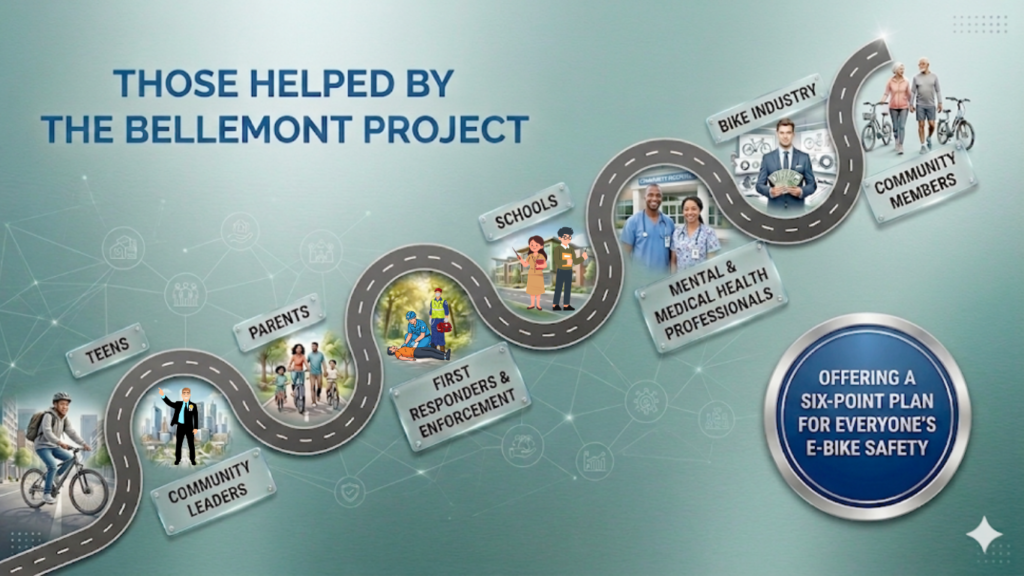
True safety requires looking past individual zip codes and moving out of our silos and beyond a purely reactive stance. The Bellemont Project is advocating for a more sophisticated, collaborative governance structure—a way for separate jurisdictions to stop working as islands and start operating as a unified “blended family”.
Each community’s regional strategy cannot just focus on policing. Everyone must embrace a comprehensive, proactive management framework built around a proven Six-Point Plan:
- Compliance Motivation: Moving past simple punishment to foster internal motivation in youth through robust behavior management, shifting peer culture from the street up.
- Consumer Awareness: Educating parents before they purchase, using clear parameters to help families recognize the slick marketing of illegal “impostor” machines.
- Policies and Communications: Creating a regional, cross-border playbook so civic leaders, schools, and health agencies distribute one set of consistent expectations everywhere.
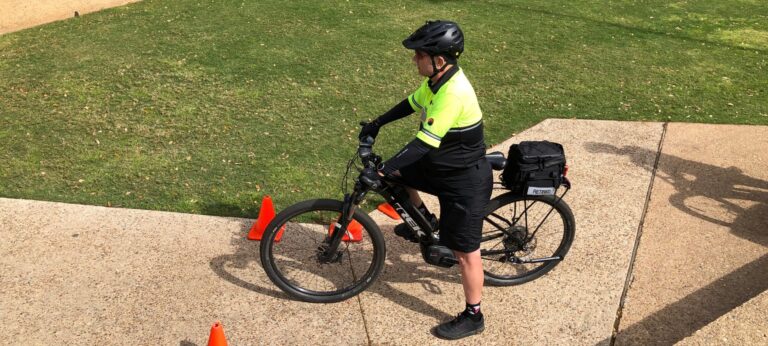
- Informed Enforcement: Equipping whole police forces with the training and data tools necessary to identify high-speed e-motos and track data across city lines.
- Infrastructure Improvements: Starting with Vision Zero safety updates for intersections, streets, and paths, and going further by rethinking recreational facilities as valuable infrastructure that can provide the regional infrastructure evolution toward training and event spaces.
- Developing E-Biking as a Sport: Drawing teenagers away from busy public intersections by providing sanctioned spaces to train, perform and compete, under the strict requirement that they maintain a clean street record to participate.

Moving Beyond the “Solo” Approach
True safety requires looking past individual zip codes. The Bellemont Project is advocating for a more sophisticated, collaborative governance structure—a way for separate jurisdictions to stop working as islands and start operating as a “blended family”.
Imagine a region where:
From Regional Summits to National Infrastructure
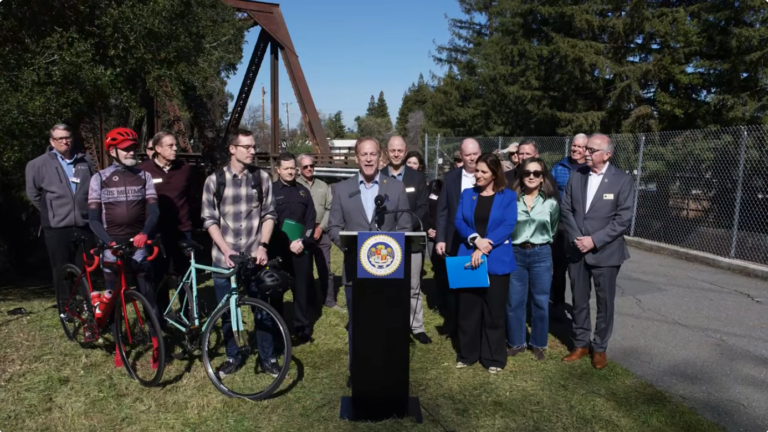
To fill this safety vacuum, the Bellemont Project has launched a cross-border roadmap driven by Regional Summits. These intensive planning events are designed to bring city councils, school districts, first responders, healthcare leaders and other stakeholders to the same table to build a coordinated regional shield.
But this is about more than just getting neighboring towns on the same page legislatively.
In the bicycle world, to “true a wheel” means adjusting every single spoke so the front and rear wheels work perfectly together in balance. If even a few spokes are out of alignment, the whole ride wobbles. Our communities operate the same way. True safety cannot be achieved by adjusting one isolated city or one lone policy; it requires pulling the spokes of every surrounding jurisdiction into alignment so the entire region rolls forward smoothly. The benefits of a balanced, wobble-free community are well worth the effort.
By proving that a unified, regional model can successfully manage micromobility friction, we aren’t just fixing a local problem. We’re building a scalable framework. What starts as a coordinated effort between a few adjacent cities can grow into a statewide standard, ultimately serving as the blueprint for true, data-driven e-bike safety management across the entire country.
The e-bike crisis crosses local borders. It’s time our solutions do, too.
Let’s Work Together
To learn more about how we are bringing civic leaders together to true the wheel of community safety, visit our Summits page.