
Why E-Bike Safety Requires a Community Coalition
“When coalitions prioritize community wisdom and experience along with data and evidence, the work is not only more relevant — it can really have some impact.“
Amir François, Annie E. Casey Foundation
Across the country, the conversation around e-bikes often sounds the same: frustration over reckless riding, calls for stricter crackdowns, and a growing divide between teen riders and their communities. At the Bellemont Project, we believe safety requires structure — but structure without connection rarely lasts.
A recent insight from the Annie E. Casey Foundation (AECF) on “Grounding Youth Well-Being in Community Context” offers a powerful framework that mirrors our own Six-Point Plan. The core lesson? Sustainable change happens when you embed the community’s voice, values, and history into the solution.
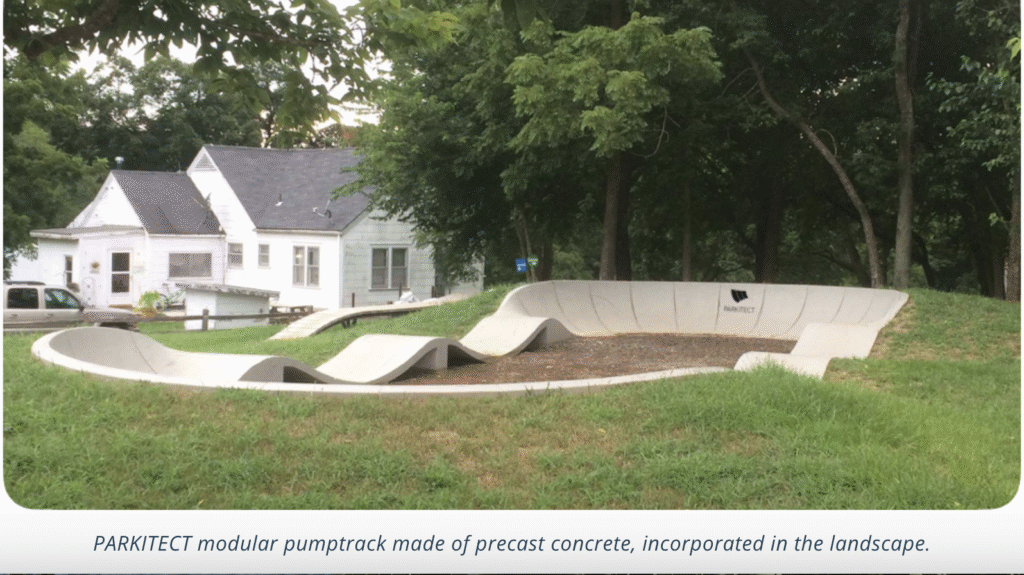
Crucially, the formation of a community coalition provides the initial critical mass required to formalize e-biking from a widespread activity into a recognized sport. By uniting diverse stakeholders — including the youth riders themselves, parents, school administrators, and local officials — the coalition transforms the e-bike issue from a street-level safety concern into a shared community project with recreational potential. This unified body serves as a powerful advocacy group, able to persuasively lobby the municipality for the necessary infrastructure, such as dedicated dirt tracks, freestyle zones, or sanctioned event spaces. This strategic shift moves beyond simple regulation to creating safe, structured environments where e-biking skills can be celebrated and developed, laying the foundational groundwork for competitions, youth leagues, and the long-term establishment of e-biking as a legitimate community sport.
Moving From “Enforcement” to “Ecosystem”
The AECF report highlights that successful youth programs don’t just import ideas from the outside; they build coalitions that include residents and youth as decision-makers. This is exactly what is missing in many municipal e-bike strategies.
When cities rely only on ticketing or bans, they treat e-bikes as a nuisance to be removed rather than a transportation reality to be managed. Our approach at the Bellemont Project pivots to a coalition-based model, and our six-point plan for management works well with it:

Community Coalitions help young people learn how to advocate for infrastructure improvements that will provide a safer space to show off those e-bike stunt-riding skills.

Start a Youth Advisory Board
Instead of adults guessing safe routes, teen riders map the paths they actually use. They become safety ambassadors to their peers, making compliance “cool” rather than punitive.
“Online influencers have been teaching kids how to take risks that put their well-being and health at risk. They do this to make money off of them. It’s time to teach kids how to take back their power and create what will improve their lives while they continue to have fun on e-bikes.”
Beth Black
Add Retailer & Parent Partners
Local bike shops agree to sell only compliant makes and models, and parents get education on “survival guide” purchasing. The community creates a standard where unsafe modifications are socially unacceptable.
The AECF produced a guide explaining that when people see their own values reflected in a program, they support it. E-bike safety isn’t just about preserving order on the streets; it’s about preserving the lives of our youth. By building coalitions that listen before they push to legislate, we turn a “problem” into a shared community project.
Ready to build a coalition in your city? Explore the six-point plan for improved e-bike safety on the Bellemont Project Solutions page to get started.