
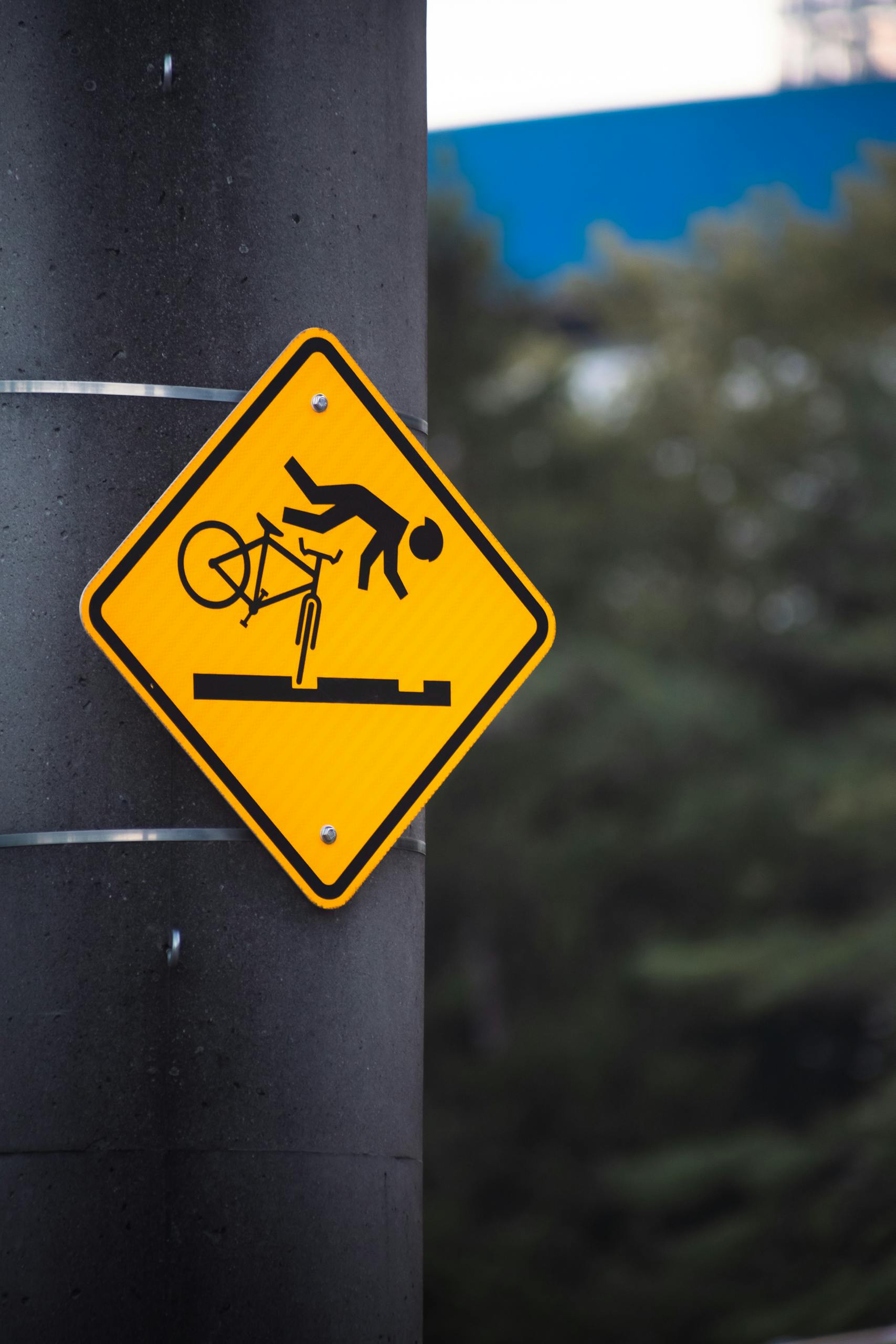
Risk Signaling: The Urgency of Warning
The electric bike and e-moto trend has exploded among teens and tweens, giving young people an unprecedented sense of speed and freedom. But this new fad is racing ahead of our ability to track its safety, with Emergency Room visits for related injuries soaring—a clear signal that we are facing a burgeoning public health crisis. This is where the vital concept of risk signaling comes into play.
⚕️ A Brief History of Risk Signaling in Health and Science
Risk signaling, or the identification of a risk factor, is one of the most powerful tools in public health. While the concept of assessing hazards dates back centuries, its formal application in medicine and science took flight in the mid-20th century.
Today, risk signaling is utilized across every facet of public health, from tracking infectious disease outbreaks to identifying environmental hazards and predicting transportation injury patterns. It arrived at the intersection of public health and science:
- Insurance Roots: Interestingly, the practice of grading risk was first industrialized by life insurance companies in the 19th and early 20th centuries. They categorized applicants to set premiums, pioneering the statistical association between certain behaviors or health conditions and adverse outcomes.
- The Epidemiology Revolution: In modern healthcare, the term “risk factor” gained major traction with landmark epidemiological studies, such as the Framingham Heart Study, which has been ongoing since the 1940s. These studies looked at large populations over time and statistically linked behaviors like smoking, high cholesterol, and lack of exercise to an increased risk of developing coronary heart disease.
- The Goal: The purpose of this signaling is not to predict any single person’s fate, but to identify a statistical association between an exposure (like a high-speed e-bike) and a negative outcome (like a serious injury). This early warning allows public health officials, regulators, and families to intervene before a mountain of indisputable data, including preventable deaths, has accumulated.
🛑 Relating Risk Signaling to E-Bike Safety
The current situation with e-bikes and e-motos used by teens is a classic, urgent example of risk signaling in action.
The Signal:
We may not have decades of dedicated research on e-bike-related trauma, but we have correlation data showing a significant and rapid rise in:
• Emergency Room Visits: Hospitals across the country are seeing a dramatic increase in children with e-bike-related injuries, including fractures (particularly wrists, arms, and legs) and traumatic brain injuries.
• Severity of Injuries: E-bikes and e-motos are heavier, have powerful acceleration, and reach higher speeds than traditional bikes (up to 28 mph for e-bikes and much higher for e-motos). This increases the kinetic energy in a collision, making crashes more likely to result in severe injury and even death, not just for the young rider but for innocent bystanders they hit.
• Inexperience and Under-Gearing: Many young riders lack the maturity, experience, and knowledge of traffic laws to operate a vehicle at these speeds. Furthermore, a disturbingly low percentage wear proper safety gear, especially a certified helmet.
The current rise in severe injuries is the public health alarm bell. It’s the early, crucial signal that the combination of speed, weight, power, and inexperienced youthful riders creates a severe and unacceptable new risk to public safety.
🛡️ Caution: Don’t Dismiss the Warning as “Alarmist”
As calls for regulation, age restrictions, and mandatory helmet laws increase, you will inevitably hear voices dismissing risk signaling as “alarmism.” The key reason to be wary of this dismissiveness is that in public health, delay costs lives.
Here is why you must take the risk signal seriously:
1. Waiting for “Full Data” is Irresponsible: The only way to get indisputable, long-term data on e-bike deaths is to allow the current trend to continue unchecked. Risk signaling is designed to identify a probable danger early—based on related data (like injury spikes and crash physics)—so action can be taken before the long-term, tragic data is complete.
2. The “Unknown” Factor is High: Risks that rank high on both the “unknownness” and “dread” scales (a known concept in risk perception) are often initially underestimated. E-bikes are novel, new to science, and their catastrophic consequences (severe injuries, death) are highly dreaded. It’s easy to dismiss what’s unfamiliar, but the severe nature of the reported injuries confirms the threat is real.
3. The Message is Action-Oriented: Claims of “alarmism” often focus on the emotional reaction, while ignoring the recommended actions. Effective risk signaling should focus on constructive proposals to reduce vulnerability. In the case of e-bikes, this means:
o Mandatory, certified helmet use.
o Age restrictions and training improvements tied to the e-bike class and speed.
o Parental consumer alerts and safety training tied to e-moto marketing campaigns and provide continual bike monitoring plus behavior management.
Risk signaling is not about scaring people; it’s about providing evidence-based information that prompts preventative behavior. Ignoring the early signals of a severe spike in pediatric trauma and death is not caution—it’s negligence. We have a responsibility to heed the warning before this exciting new fad turns into a public health catastrophe.