Insights from the Front Line: A Conversation with National E-Bike Safety Expert Clint Sandusky
“With great speed comes great responsibility.”
Clint Sandusky
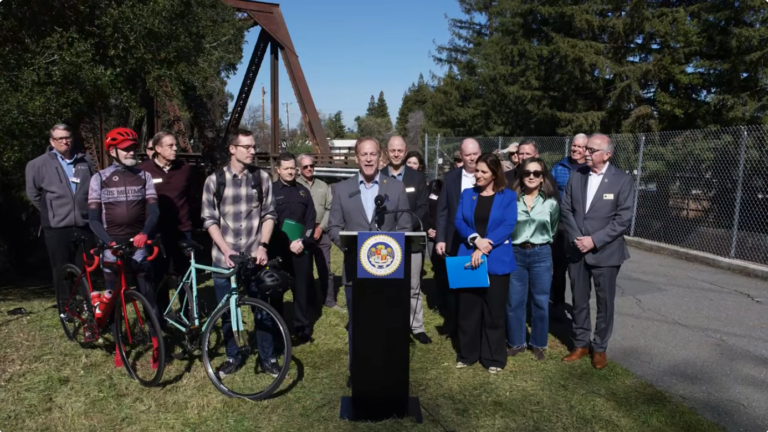
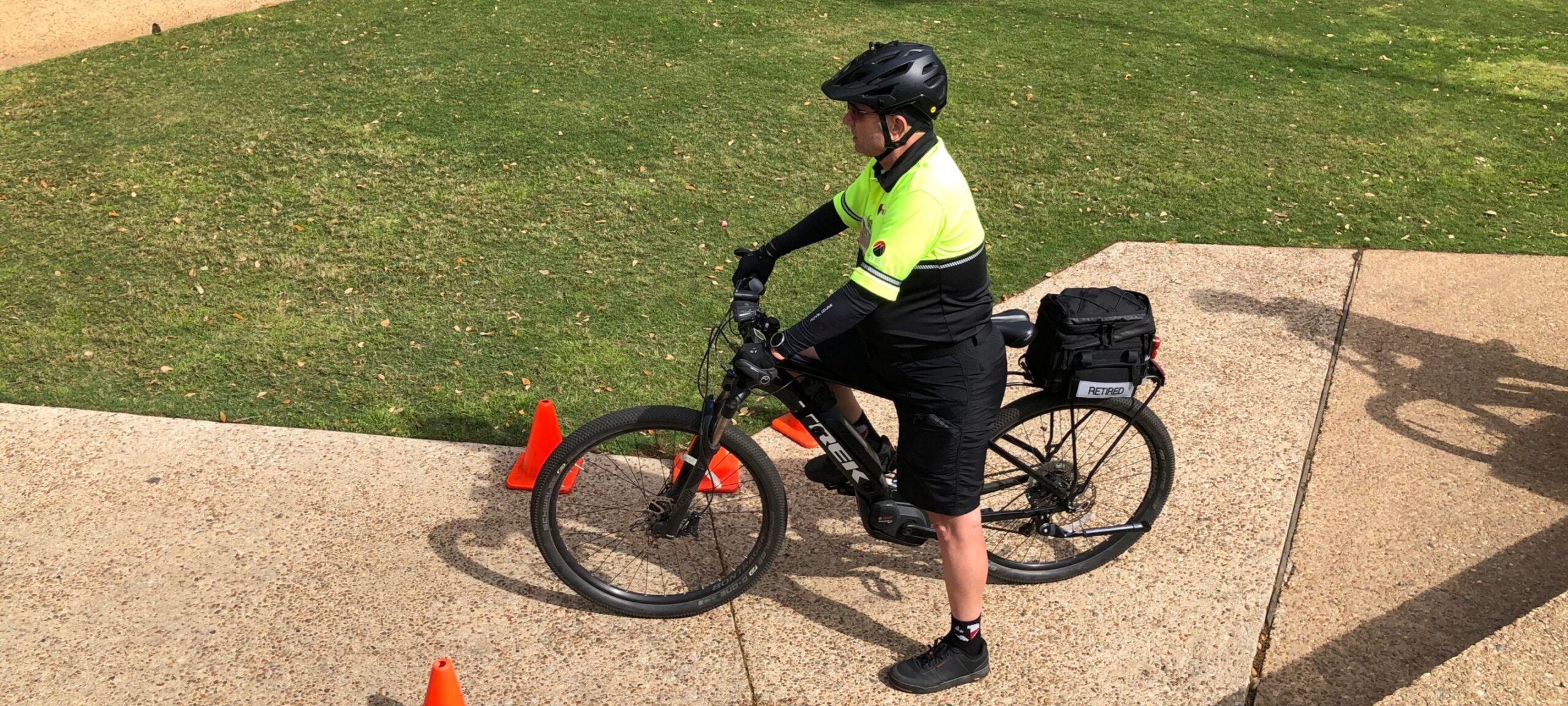
As a retired police officer and police cyclist, 30-year POST-certified Bicycle Patrol Instructor, and CyclingSavvy educator, Clint Sandusky stands at the national forefront of e-bike safety and traffic instruction. In this Q&A, he breaks down why helmets are only a “last line of defense,” how social media influences youth riding, and what parents must do to ensure their kids master active bike control.
1. What concerns you the most about the way many young people are riding e bikes today?
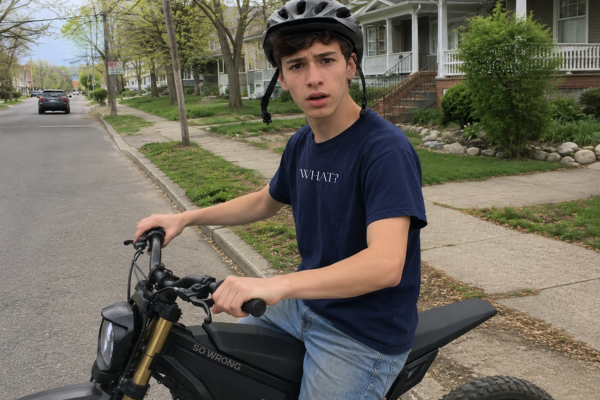
What concerns me most is that many young riders are operating vehicles capable of 20 to 28 mph without having the foundational bicycle handling skills that traditionally take years to develop. They’re riding faster than their bicycle-handling skills, knowledge and experience with the traffic environment, and judgment can support.
Speed magnifies every mistake, and on an electric bicycle, those mistakes happen quicker and with more severe consequences. I’m also seeing a lack of following: The rules of the road and traffic laws, unpredictable and sudden movements, and group riding behaviors that create chaos for drivers and other cyclists.
As we at CyclingSavvy say, “The faster you go, the faster you can get into trouble.”
2. Active Safety vs. Passive Safety — how do you explain the difference to parents?
Active safety is everything a rider does to prevent a crash: bike control — the foundation, rule compliance, lane control, and hazard avoidance.
Passive safety is what protects you when and after the crash happens — like helmets and gloves. Active safety prevents the emergency; passive safety only helps once the emergency is already happening. If parents want their kids to be truly safe, they must prioritize active safety strategies and practice first!
3. Why is a CPSC-certified bicycle helmet the “LAST line of defense,” not the first?
A bicycle helmet doesn’t prevent crashes — it only reduces injury once the crash is already underway. If a young rider is relying on a helmet as their primary safety strategy, they and their parent(s) are missing the point. The first line of defense is active safety strategies and practice. The helmet is essential, but it’s the backup plan, not the main plan.
“The helmet is essential, but it’s the backup plan, not the main plan.”
clint sandusky
4. When parents focus mainly on helmets and gear, what skills get overlooked?
They often overlook the skills that prevent crashes in the first place, such as (but not limited to):
Protective gear doesn’t replace these skills and more. Without them, gear becomes a false sense of security.
5. What bike‑control skills should young e‑bike riders master before riding in traffic?
The same basic skills I taught to future bike patrol officers:
If a rider can’t control their bike at slow speeds, they won’t control it at an e bike’s faster speed.
6. How important are rule compliance and predictable riding for young e‑bike riders?
Rule compliance and predictability are very important. Drivers can avoid what they can anticipate. They can’t avoid a bicyclist’s sudden swerves, wrong‑way riding, darting between cars, or groups of kids weaving unpredictably. Rule compliance — riding with traffic, stopping at stop signs, signaling, and beyond — creates predictability. Predictability helps prevent crashes not only with motor vehicles, but also with other cyclists and pedestrians.
7. What is lane control, and why does it matter for young e‑bike riders?
Lane control means choosing a lane position that maximizes relevance, safety, and predictability. It’s not about hugging the curb or right-hand edge of the roadway; it’s about riding where drivers expect you to be, clearly see you, and give you your required space for safety and operations. It’s one of the most important strategies they can learn!
8. What hazards do experienced cyclists recognize early that young e bike riders often miss?
First, it’s important to know when you actually are an experienced cyclist. Young riders often assume that they’re experienced because they’ve built a few basic skills. Sadly, based on my experience and riding with supposed “experienced” cyclists, they lack the needed defensive bicycle skills to understand what we at CyclingSavvy identify as “The Five Common Motorist-Caused Bicycle Crashes.”
Here they are:
Add the lack of understanding and skills needed for legal, safe, and successful riding in groups, it takes a savvy cyclist that understands the need and has sought out high-quality and effective cycling in traffic education and training – like from CyclingSavvy – Empowerment to Ride Anywhere. Ride Awesome!
Unfortunately, young and/or unsavvy cyclists often don’t see the above conflict and crash hazards until they’re already in danger.
Click the button to help your teen become a savvy cyclist …
9. What should parents understand or do before allowing their child to ride an e-bike?
Parents should understand that an e bike is not a toy — it’s a serious vehicle capable of speeds that demand adult level understanding and judgment. Before handing over the keys, parents should:
Parents are the “ultimate line of defense” because they control access, education and training, and expectations.
10. Why is parent education so important in preventing e bike crashes and misconduct?
Parents are responsible for their child’s safety and actions. They need to set the tone whether their child rides a conventional or legal electric bicycle. Parents decide whether an e bike — not a much more powerful and heavier illegal electric motorcycle advertised and sold as an e-bike — is age-appropriate for their child’s use and treated as a responsible privilege or an unsupervised toy.
A growing concern nationwide is the presence of harmful social media influencers, such as Sur Ronster, and large, unlawful group events commonly referred to as ride‑outs or street takeovers. These influencers and events promote unsafe, illegal, and at times dangerous behavior, encouraging impressionable teens to participate in high‑risk and unlawful riding. Parents must take an active role in monitoring their teens’ screen time and online content to ensure they are not being drawn into or influenced by these dangerous trends.
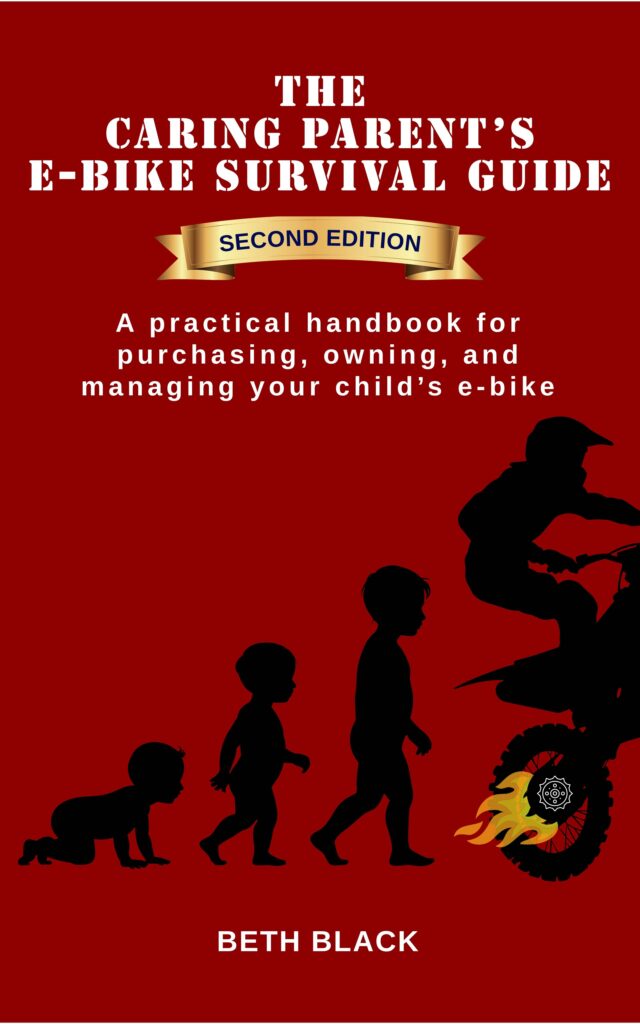
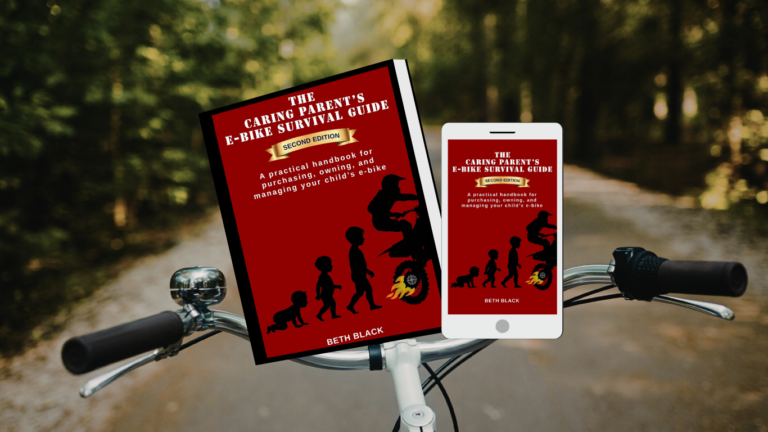
When parents understand the greater responsibility of riding an e bike, legal requirements, needed skill development, understanding the traffic environment, and beyond, they have a big effect in their child’s safety. That’s why a resource like The Caring Parent’s E Bike Survival Guide, 2nd Edition, is a must read for parents — as they give parents the knowledge to make informed decisions and manage safe habits of their teens early.
From the start, they need to set the tone on whether their child rides a conventional or electric bicycle. Owning an e-bike should be treated as a responsible privilege, not a toy they can play with unsupervised. It should be up to the parents to decide whether an e bike is age-appropriate for their child’s use. And they’ll have to be realistic about their child’s maturity level.
And no matter what they’re told, they must not buy a much-more powerful, heavier, illegal, electric motorcycle. An e-moto is not an e-bike. Parents are required by law to know if a bike they’re purchasing for their child is legal … even if it has been disguised to look like a legal e-bike and advertised openly as such. They must do their homework and make the right decision despite any online sales pitches or peer pressure aimed at their family.
Click to order your copy: