The Big Flaw in E-Bike Law
While the policy world is currently consumed by a whirlwind of new regulations — most notably New Jersey’s recent decision to essentially reclassify e-bikes as motorized vehicles — a critical gap is opening up between our laws and our streets.
At current civic, cycling and e-bike safety discussions, the air is thick with debate over the 3-Class e-bike system and restrictive new laws arriving that will limit access to them. But while we argue over legislative definitions, there is a ghost in the machine that doesn’t care about legal classes or our registration stickers.
The Rise of the Antihero Mindset
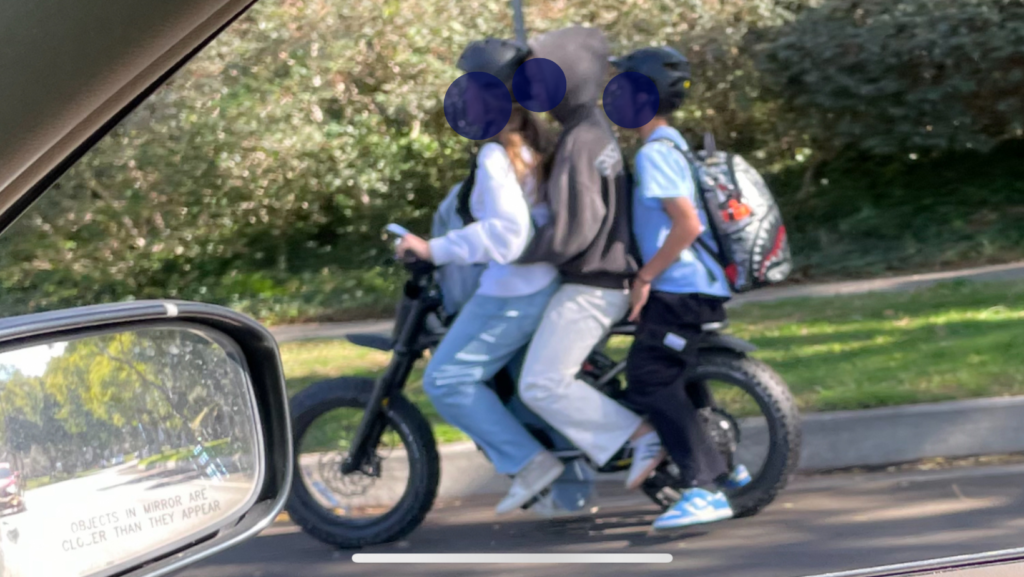
Step outside any suburban high school and you won’t see teenagers worried about insurance mandates. You will see them on high-powered e-motos — machines marketed not as “micromobility,” but as tools for an antihero lifestyle. To these riders, our regulations aren’t safety measures; they are a punchline.
The current legislative trend relies almost exclusively on one pillar: Enforcement. But if every nation on earth adopted perfect restrictions tomorrow, would it solve the problem of aggressive, reckless riding?
The answer is no. Because the problem is larger than the legal “corral” we are trying to build around it. It appears that we’re witnessing (in real time) the development of today’s youth cycling culture.

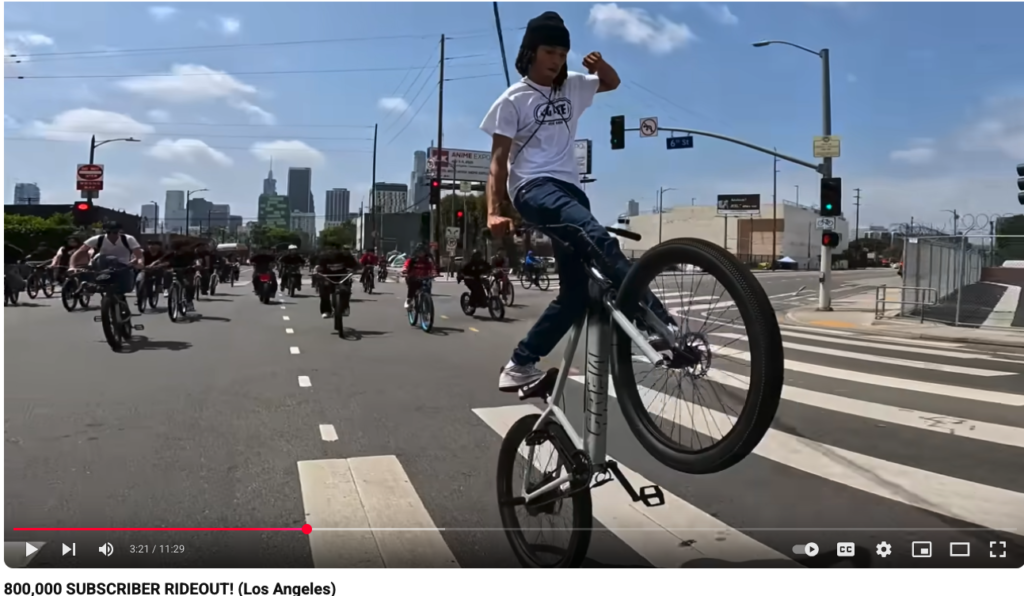
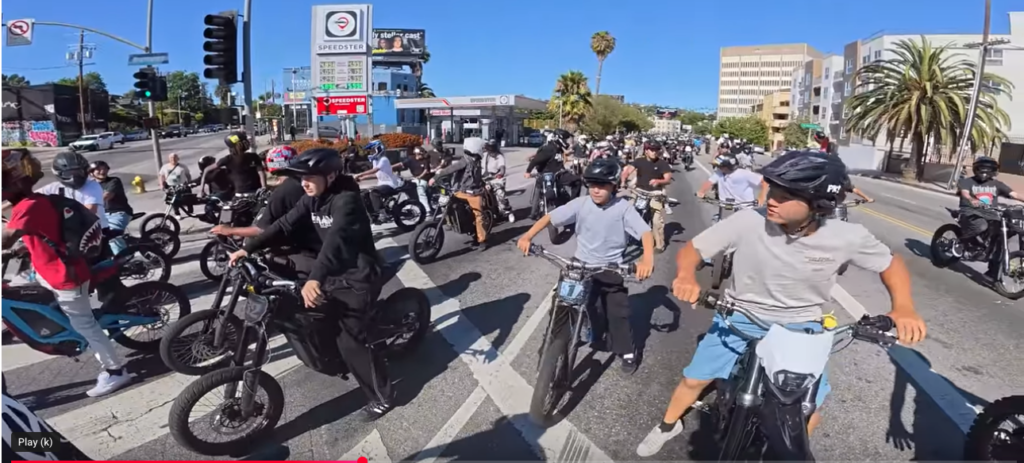
Riders enjoy a street takeover during one of the several massive rideouts that took place in 2025 across the nation.
Note that an increasing number of rideouts are mixed-model, including electric and non-electric bikes.
The Psychological Wall
As a former teacher, I look at safety through a different lens than a legislator. My work is deeply influenced by the research of Dr. David Yeager, who identifies a major flaw in the traditional “Enforcer” mindset.
When adults approach youth solely as enforcers — imposing rules from the top down without transparency — it triggers a wall of mistrust. Young people don’t just ignore the rules; they refuse to internalize, to incorporate, the underlying safety lessons they need. By leaning exclusively on enforcement, we are inadvertently fueling the very “antihero” subculture that we’re trying to stop.
Accelerating from Enforcer to Mentor
To fix this, we must shift from the Enforcer Mindset to the Mentor Mindset.
A mentor sets high standards and clearly states their belief that the young person can achieve them. They provide the support and the tools—but they leave the “heavy lifting” of behavioral change to the young person. Most importantly, the mentor is authentic. Anything perceived as inauthentic by a teenager is a non-starter.
Remember Forgetful Riders, Too
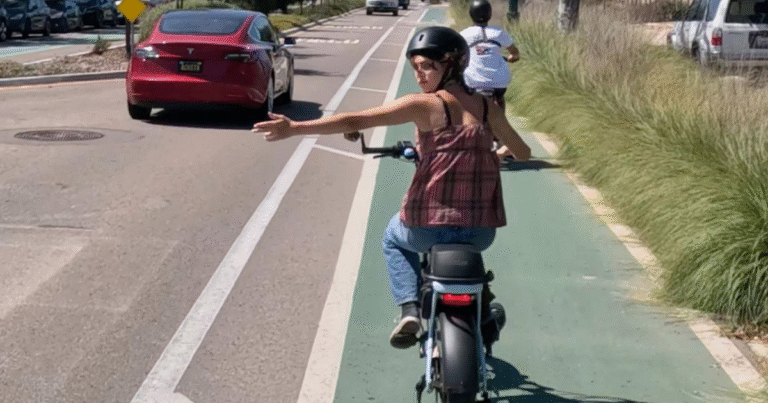
Of course, not all young riders are acting aggressively. A lot of them are simply failing to prioritize safety. They can’t internalize safety warnings — adopt them as their own — because lectures from adults about safety, such as forgetting helmets, comes across as an attack on their skills or maturity. So, in many ways they need the same kind of coaching from an adult with a mentor mindset — someone who will hold them to high safety expectations, say that they know their teen can achieve those goals, and support them as respected cyclists. A key to all of this is real transparency. Sharing honestly can help kids to prioritize safety. Talk about everyone who’d be hurt by their pain and suffering, not just family and friends. Mention the first responders and the ER team members who hate seeing kids come into the ER with traumatic brain injuries. Make it an authentic, calm, respectful discussion.
Guess the Best of Four Possible Mindsets
1. Enforcer Mindset means adults set high standards with laws and ordinances that could lead to costly mistakes, but they also offer low support that fails to help them achieve important safety and legality goals.
2. Apathetic Mindset means adults set low standards and follow-up with low support by not expecting much of their kids and failing to help them improve at all.
3. Protector Mindset means adults have low standards of what they think a young rider could achieve … but offer too much support, acting with the belief that the youth cannot achieve a goal, so they do most of it for them.
4. Mentor Mindset means adults have high standards (and clearly tell the young riders that they know they can achieve them), plus they also offer high support to help them find their own way to success. The winning choice!
A Coordinated Path Forward

Working together, teens can solve complex issues surrounding e-bike and e-moto safety.
This is why the Bellemont Project’s 6-Point Plan is designed to be comprehensive and coordinated rather than scattered and reactive.
We recognize that while infrastructure and smart laws are necessary, they are only part of the equation. A truly robust strategic e-bike safety management plan must address:
- The Parents: How do we engage them to know more about the machines they’re buying?
- The Psychology: How do we engage teens without triggering mistrust?
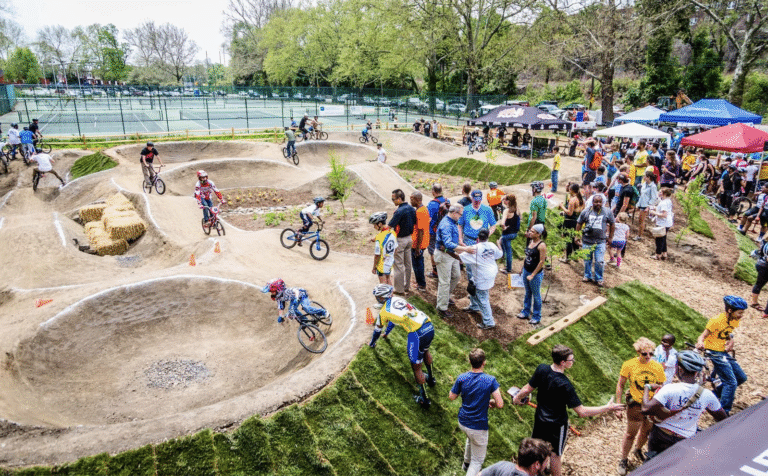
- The Strategy: How do we integrate better policies, including infrastructure, that support good riding conduct?
Everything in our plan builds off the keys to genuine behavior change. We are moving past fragmented enforcement toward a strategic model that actually works for the community and the rider alike.
It’s time to stop trying to “enforce out” a subculture and start leading with a strategy that reflects the reality of our streets.