Infrastructure Improvement Roadmap
Infrastructure improvements are often viewed through the narrow lens of streets and highways, and currently, much-needed work is underway to enhance our existing road network. A primary focus is improving streets, and especially dangerous intersections, to actively reduce or even eliminate collisions involving cars, bikes, and e-bikes. However, our proposed six-point plan calls for an expanded, more holistic perspective. We can manage riding behavior and inspire safer habits not just through traffic control, but by building dedicated spaces that channel the energy and talent of young riders. By sponsoring races, performances, and other structured events in safer, purpose-built arenas like pump tracks, we give riders compelling reasons to leave chaotic intersections for organized recreation.
This expanded view of “infrastructure” recognizes that it’s not solely about the material construction of public roads, but also about the design of community spaces that support desirable activities. By broadening our scope, we can build places specifically for e-bike recreation and performance, offering tangible support for our talented young riders as they move from navigating hazardous crossings to competing in dedicated arenas. This shift in perspective allows us to make a generational impact on safety, behavior, and community well-being, paving the way for a more enjoyable and safer riding future for everyone. We just need a roadmap to get there …
Making E-Biking Safer: How Improved Road Infrastructure Can Help
Of course, it can’t hurt to keep an eye on our streets. In our ongoing mission to improve e-bike safety, infrastructure improvements stand as a critical pillar — it’s a big part of our 6-point plan for e-bike safety. The good news is, we don’t need to reinvent the bicycle wheel. A great way to improve infrastructure is by following Vision Zero’s plan. It might seem funny to have a 9-point plan buried inside our 6-point plan, but it’s all about creating a meticulously detailed roadmap toward making transportation safer for everyone.
Vision Zero is about designing roads that protect everyone — whether you’re walking, biking, driving, or taking the bus. Here are the 9 steps they recommend:
- Political Commitment: Leaders like the Mayor and City Council should work to make roads safer for everyone.
- Multi-Disciplinary Leadership: Create a team to lead the safety efforts.
- Action Plan: Make a plan within a year to start improving safety.
- Equity: Make sure everyone is included and treated fairly in the safety plans.
- Cooperation and Collaboration: Work together with different groups to make roads safer.
- Safe System Approach: Design roads that prevent accidents and protect people if accidents happen.
- Data-Driven: Use data to find the biggest safety problems and fix them.
- Community Engagement: Get the community involved in making roads safer.
- Transparency: Keep everyone informed about progress and challenges.

By following Vision Zero’s steps, we can make e-biking safer for everyone. To learn more about each of their strategies and how you can participate, visit VisionZeroNetwork.org. Together, we can make personal transportation safer for all!
And Then What?
As part of the Bellemont Project’s six-point plan, infrastructure improvements must also go beyond our streets. Cities and their regions must seek to build sites that will draw teens out of intersections. With online influencers rewarding illegal and unsafe behaviors in street takeovers, it’s time we stopped allowing them to operate in a vacuum. Let’s provide infrastructure that speaks to their needs and rewards riding skills appropriately.
“It’s not hard to see how various online influencers are compensated for putting kids on bikes. As their followers grow in numbers, so do the trips these guys take and the number of bikes in their garages. Only … they’re not ‘bikes’ — they’re most often e-motos disguised as legal e-bikes. Forget bicycles! Some e-moto manufacturers slap phony pedals on their machines, so parents think it’s safe to buy their child that brand and model they requested. It just sells everyone short. Why not invest in a future of e-bike sports, instead of lying to people for a quick buck?”
Beth Black
📈 Strategic Investment: Leveraging Recreational Infrastructure for Safety and Engagement
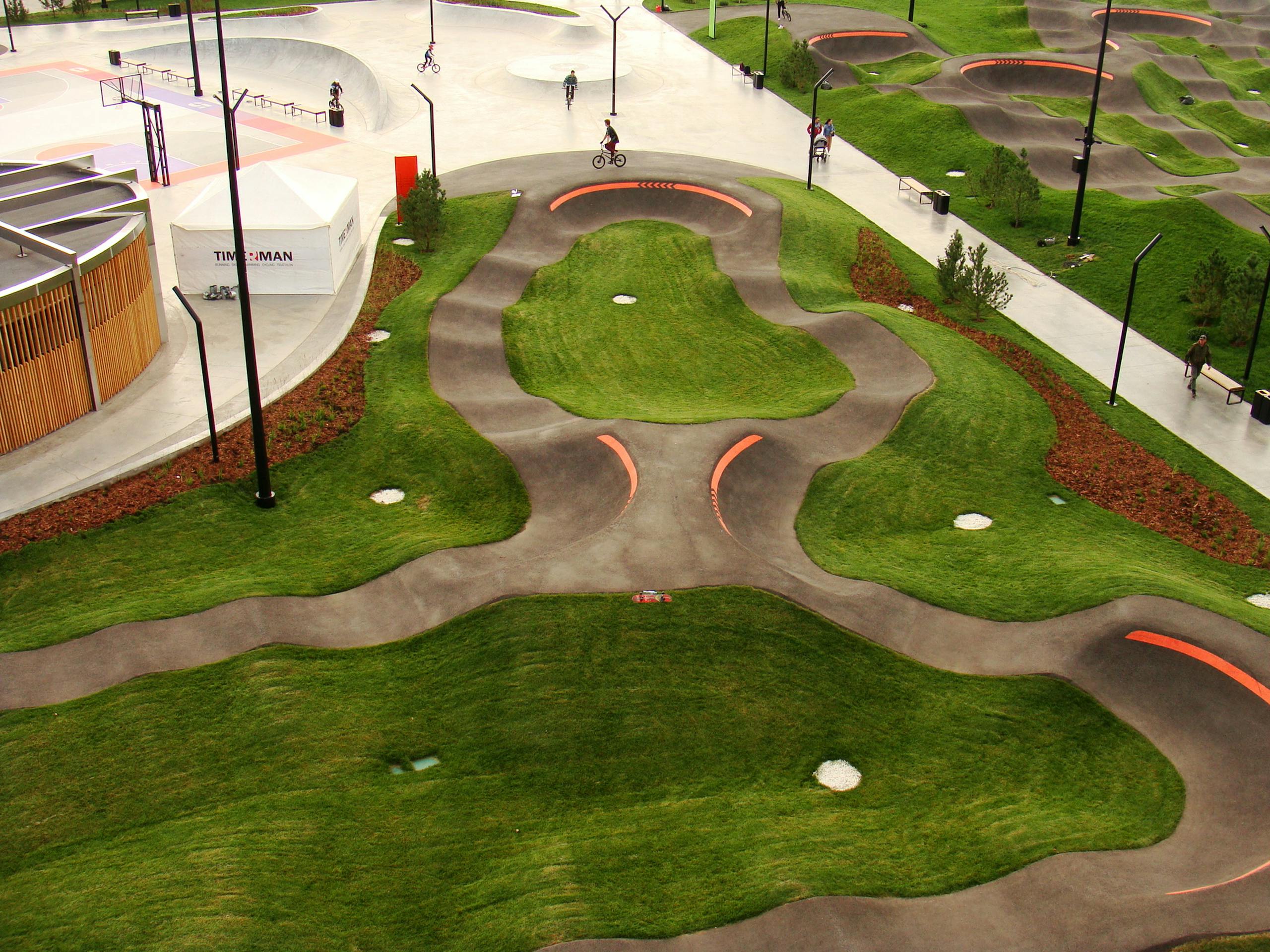
The proliferation of pump tracks nationwide represents a significant, yet often underestimated, civic opportunity. For instance, the side-by-side tracks in St. George, Utah—featuring a beginner-friendly course and an advanced track capable of accommodating seasoned cyclists, including high-performance e-bike riders—demonstrate the tourism and recreational draw of these facilities. Constructed primarily from durable, natural materials, these outdoor courses act as regional magnets, attracting local teens as well as mature riders, much like a specialized amusement park attraction. This investment provides a critical first step, offering a substantial and inspiring alternative for stunt riders to pursue challenging activities off of public roadways. And the fiscal opportunities from such endeavors are only now coming to light. When visitors and local families come to ride, practice, and perform, they bring their spending power with them. Most importantly, this has the potential to draw teens away from streets and providing something more fun that the anti-hero mindset they’ve been sold.
To maximize this impact, forward-thinking municipal leaders should also consider the strategic acquisition of portable, modular pump tracks. These assets offer unparalleled flexibility, allowing for rapid reconfiguration to host high-visibility special events. By establishing professional event setups — complete with grandstands, judging tables, and visible incentives like trophies and cash prizes — cities can create a compelling performance environment.
Crucially, integrating a mandatory clean street record for event qualification introduces a powerful behavioral incentive. This strategy mirrors the successful token economy model widely used in educational settings, where rewards are leveraged to reinforce positive conduct. The Bellemont Project advocates for this broad application of a proven positive reinforcement mechanism to effectively manage rider behavior while simultaneously building community assets and attracting economic activity.
What’s Up With e-Motocross?
For racers and risk takers, we have the ability to offer training, racing, and flying on a real course. Today’s Motocross is still controlled by gas-powered bikes. But the future is already starting to show itself. Riders have won races on electric dirt bikes, and that’s just the beginning. There’s no reason for them to race on freeways and highways when they can use their skills and talents to show off for cheering crowds and win prizes. All this will take is a promoter to set it up and a region willing to make it a crowd-pleasing event.
Destination: A Safer Path Forward
Ultimately, the power to keep our kids and communities safe rests on our willingness to broaden our perspective on what infrastructure truly means. By making proactive investments that blend recreational spaces with behavioral incentives, we move beyond simply reacting to road hazards. Taking decisive steps to use infrastructure proactively toward community-driven solutions can make all the difference, ensuring a safer and more dynamic future for all riders.